
Psychological Triggers in Game Design
The allure of casino games often lies in their meticulously crafted psychological triggers designed to captivate players’ attention. Game developers utilize principles of behavioral psychology, such as reinforcement schedules, to keep players engaged. By offering intermittent rewards, akin to a slot machine payout system, players are more likely to return, driven by the anticipation of a potential win, especially at an online casino , where themes and graphics enhance the experience. This unpredictability creates a cycle of hope and excitement that can lead to prolonged gameplay, attracting both casual players and seasoned gamblers alike.
Addictive games frequently employ sound effects and visual stimuli that significantly enhance the gaming experience. The use of bold colors, enticing animations, and immersive soundtracks creates a stimulating atmosphere that can easily draw in players. Each victory, regardless of its magnitude, reinforces the thrill, encouraging players to chase that same high repeatedly. The sensory experience is meticulously crafted to keep users returning for more, generating an addictive feedback loop that can be hard to escape once it has taken hold.
Moreover, the sense of achievement that comes with leveling up or completing a challenging task plays a crucial role in player retention. Games that incorporate leaderboard systems or achievements tap into the desire for social validation, motivating players not just for personal gains but also to surpass others. This competitive edge intensifies the addictive nature of casino games, as participants push themselves to improve their skills and performance, seeking recognition and validation from their peers.
The Role of Gambling Mechanics
At the heart of every addictive casino game are unique gambling mechanics that entice and engage players. Many games integrate features such as multipliers, bonus rounds, and progressive jackpots, which create a heightened sense of urgency and excitement. The prospect of massive returns for a minimal investment lures players into a risk-reward mindset where they may wager more than initially intended, hoping to strike it big. This element of chance is inherently thrilling, contributing to the game’s addictive nature and keeping players on the edge of their seats.
Furthermore, the psychology of loss aversion plays a critical role in gambling mechanics. Players are generally more motivated to avoid losses than they are to achieve gains, meaning that the fear of losing their initial stake can lead to further gameplay. This phenomenon can create a dangerous cycle, as individuals chase their losses in an attempt to recuperate, often resulting in increased expenditures and a deeper entrenchment in the world of gambling.

Another factor influencing addiction is the continuous innovation within the gaming landscape, where developers consistently introduce new mechanics to keep players engaged. Games frequently unveil new features, such as “buy bonuses” or customizable experiences tailored to individual preferences. This constant evolution ensures that players maintain their interest over time, making it increasingly challenging to step away from the game once they have become enmeshed in its mechanics and intricacies.
Social Interaction and Community Building
Social interaction is a significant component that can render a casino game more addictive. Many modern games promote a social aspect, allowing players to connect with friends or fellow gamers. This community-driven environment fosters companionship, as players share victories and strategies, which can enhance the overall experience. The feeling of belonging to a group or community adds an emotional layer that extends beyond gameplay itself, leading to increased time spent on these platforms and a deeper engagement with the games.
Games that incorporate multiplayer features encourage competition and camaraderie, often making the experience more engaging. Players can compete against friends or strangers, adding a layer of excitement and pressure to perform well. This social competitiveness can lead to players investing more time and money to improve their standings, solidifying their place within the community and enhancing their gaming experience. The desire to maintain or improve one’s status can easily morph into an addictive cycle.
Additionally, social media integrations allow for easy sharing of achievements or experiences, further promoting a sense of connection among players. The ability to showcase one’s gambling exploits or victories translates into a form of social currency that many strive to achieve. This sharing can create a cycle of reinforcement, where individuals become more invested in the game to maintain or elevate their social standing, ultimately leading to a deeper level of addiction.
Incentives and Promotions
Another powerful element contributing to the addictive nature of casino games is the array of incentives and promotions offered to players. These can range from welcome bonuses to loyalty programs, creating an environment where players feel they receive additional value for their engagement. The allure of free spins, cashback offers, or deposit matches serves as a continuous reminder to return to the game, making it difficult for players to resist the temptation to log in regularly and take advantage of these offers.
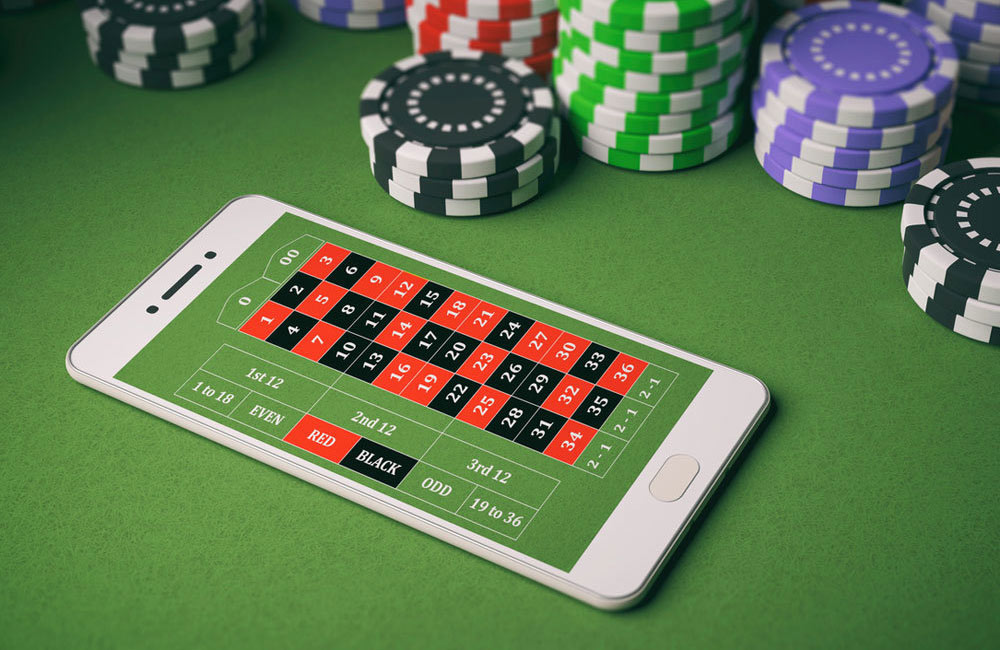
Additionally, time-limited promotions can enhance urgency, encouraging players to act quickly to take advantage of certain bonuses. This can lead to impulse decisions where players gamble beyond their means, lured in by the fear of missing out on significant rewards. Each bonus serves not just as an incentive but also as a trigger to keep players actively playing, creating a cycle that can easily spiral into addiction and excessive spending.
The psychological aspects of reward timing and the anticipation of receiving bonuses can profoundly affect player behavior. Players often find themselves checking back even when they are not actively playing, hoping to catch a new promotion. This « always on » mentality keeps players connected to the game and reinforces their participation. The combination of strategic marketing and psychological manipulation makes these incentives effective tools for increasing player retention and addiction to casino games.
Exploring Our Platform for Insights
Understanding the factors that contribute to the addiction of casino games is critical for both players and developers alike. Our platform provides insightful resources that delve into the various aspects of gaming psychology, mechanics, and social dynamics. By offering comprehensive analyses and discussions on these topics, we aim to educate players about their gaming habits and the potential risks involved in excessive gaming, fostering a more aware community.
Our website also features community feedback, allowing players to share their own experiences and insights regarding game addiction. This exchange of information fosters a deeper understanding of the gaming environment and promotes healthier interactions with casino games. As we continue to explore these topics, our aim is to equip players with the knowledge needed to make informed choices while enjoying their gaming experiences responsibly, ensuring they maintain control over their habits.
Ultimately, being aware of what makes casino games addictive can empower players to recognize their limits and engage in gaming in a more balanced and enjoyable manner. We strive to cultivate a space where awareness, education, and a sense of community can thrive, ensuring that gaming remains a source of entertainment rather than a source of addiction, encouraging responsible enjoyment of this popular pastime.